Section 02
Properties and testing
Most disputes about a plated part are not about whether the coating is there. They are about which grade was deposited and which test was used to accept it.
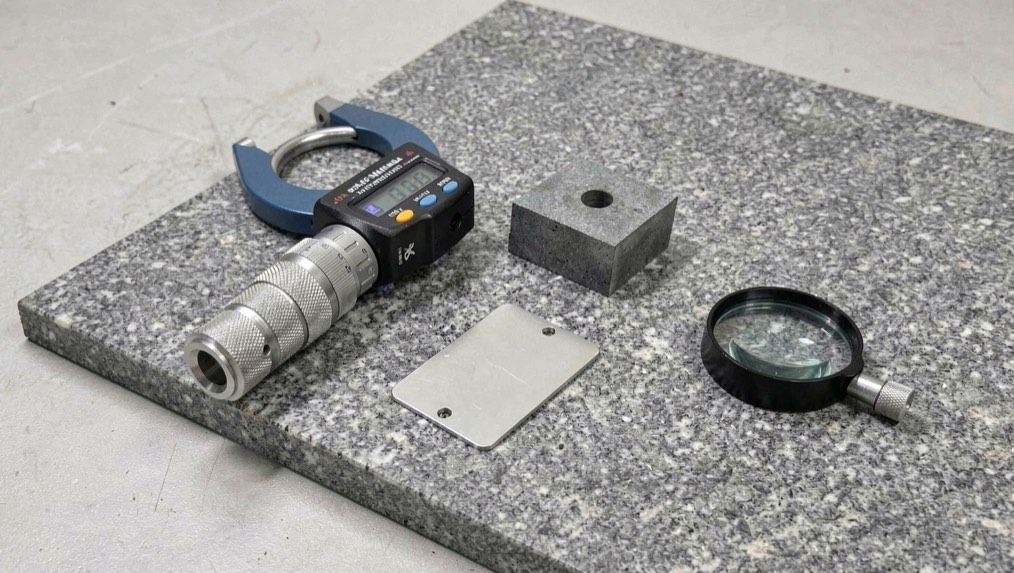
What this section covers
A nickel-phosphorus deposit is not one material. Its structure, hardness, magnetic behaviour, melting point and corrosion resistance all move with the amount of phosphorus co-deposited with the nickel, and the ranges published for low, medium and high phosphorus overlap enough that two shops can both be right and still deliver different parts. The five notes here separate what changes with phosphorus, what changes with heat treatment afterwards, and what changes only in the test report.
The section also covers the two tests that decide acceptance in practice: the salt spray cabinet, whose results are far more useful as a process control than as a prediction of service life, and hardness measurement, where the scale used matters as much as the number.
How to read these notes
Post-plate baking appears twice, deliberately. Baking for hardness and baking for hydrogen relief are different operations with different temperatures and different reasons, and treating them as one is a common way to end up with a part that is hard and still cracks. Each has its own note.
The standards note is a map, not a substitute. It gives the designation, the issuing body and the scope of each document that names an electroless nickel or conversion coating, so that a drawing callout can be traced to the right specification. It does not reproduce the content of standards that are sold rather than published.
The 7 notes in this section
Published 2026-09-06
- 01
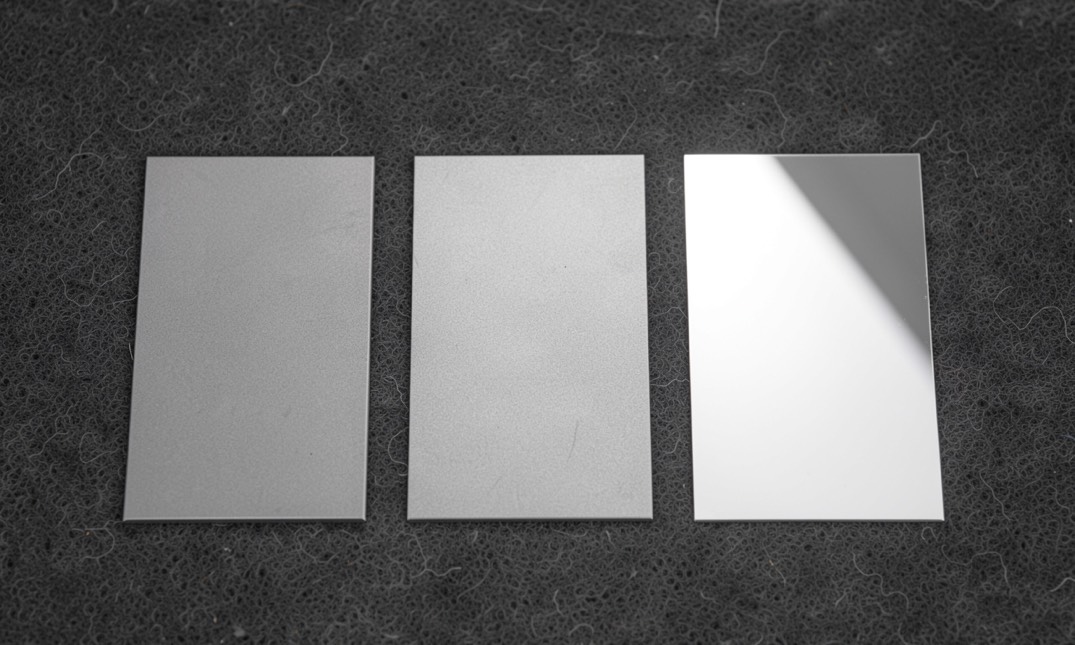
Low, medium and high phosphorus: what actually changes
The phosphorus percentage sets the deposit’s structure, melting point, magnetism and corrosion behavior; this note gives each range with its condition.
Read the note - 02
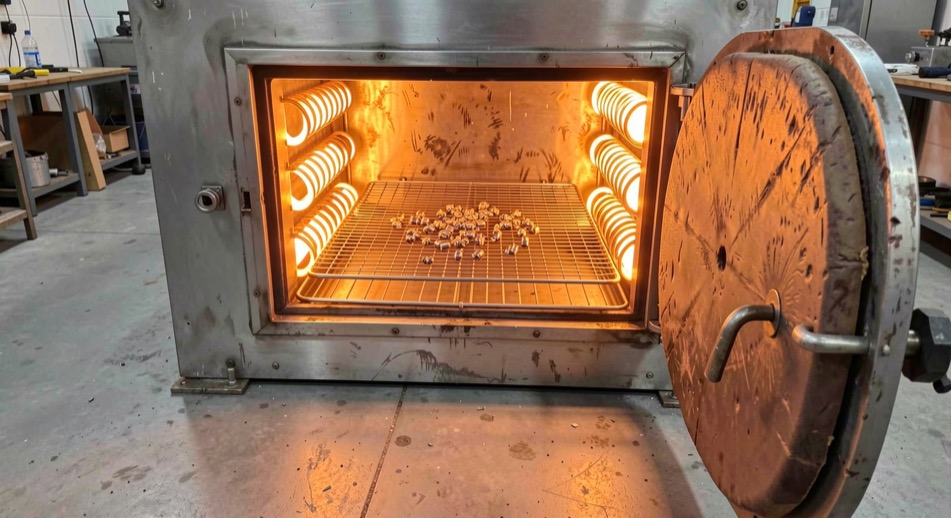
Hardness and post-plate baking
How to read a Vickers number with its load and dwell time, why an indent can measure the substrate instead of the coating, and what a bake changes.
Read the note - 03
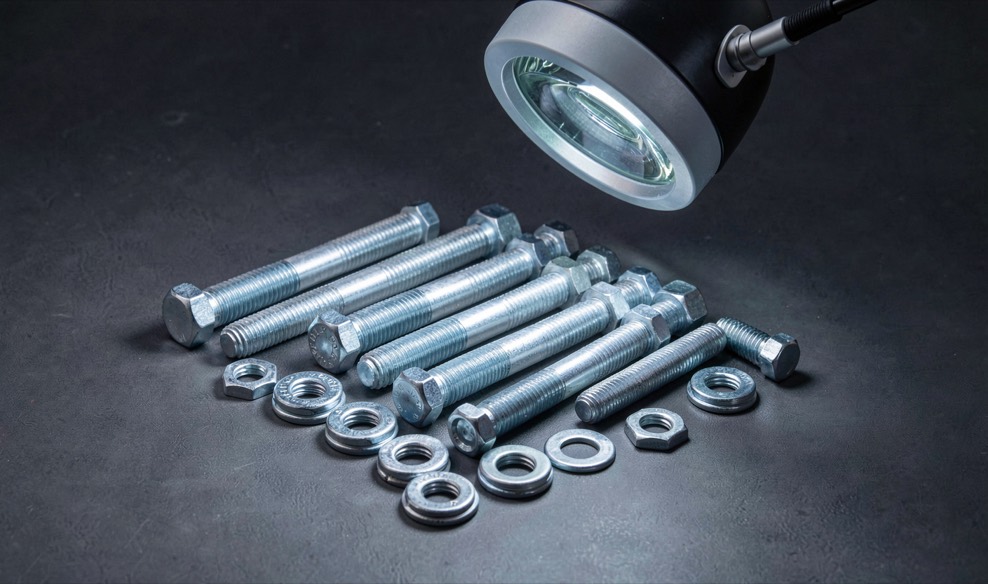
Hydrogen embrittlement and relief baking
What it takes for hydrogen to crack a plated steel part, the temperature and hardness window where it bites, and what baking can and cannot fix.
Read the note - 04
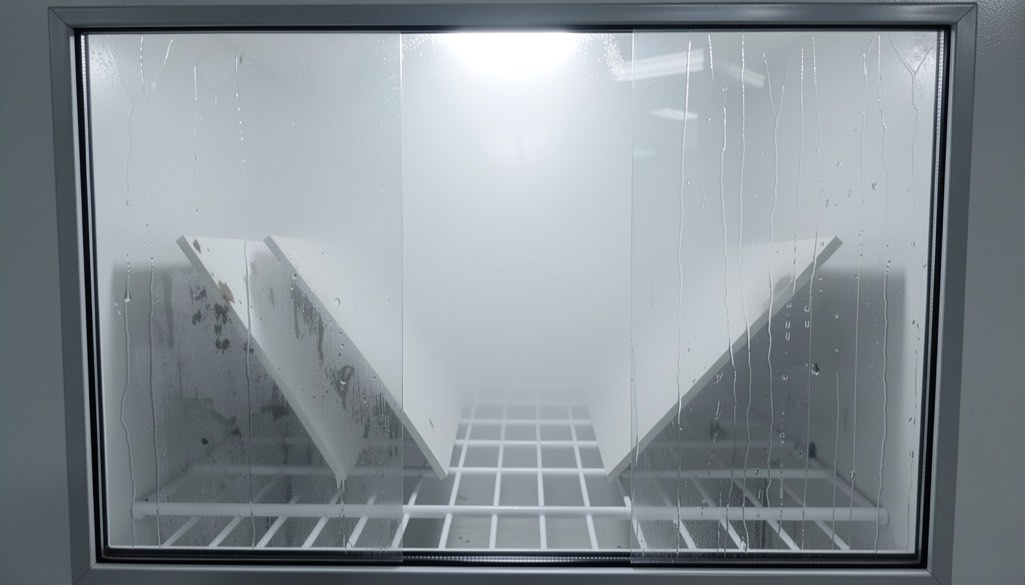
What a salt spray test proves, and what it does not
The fog cabinet, the 5 percent sodium chloride solution, the pH windows, and what a pass in hours actually certifies about a coating batch.
Read the note - 05

A map of the standards that name electroless nickel
Designations and scope for the electroless nickel, chromate conversion, zinc plating and salt spray documents, with no requirements reproduced.
Read the note - 06

Thickened tailings: what the term covers
Thickened tailings is a defined term in mine waste management. What it names, what it excludes, and why the wording matters in permits and reports.
Read the note - 07
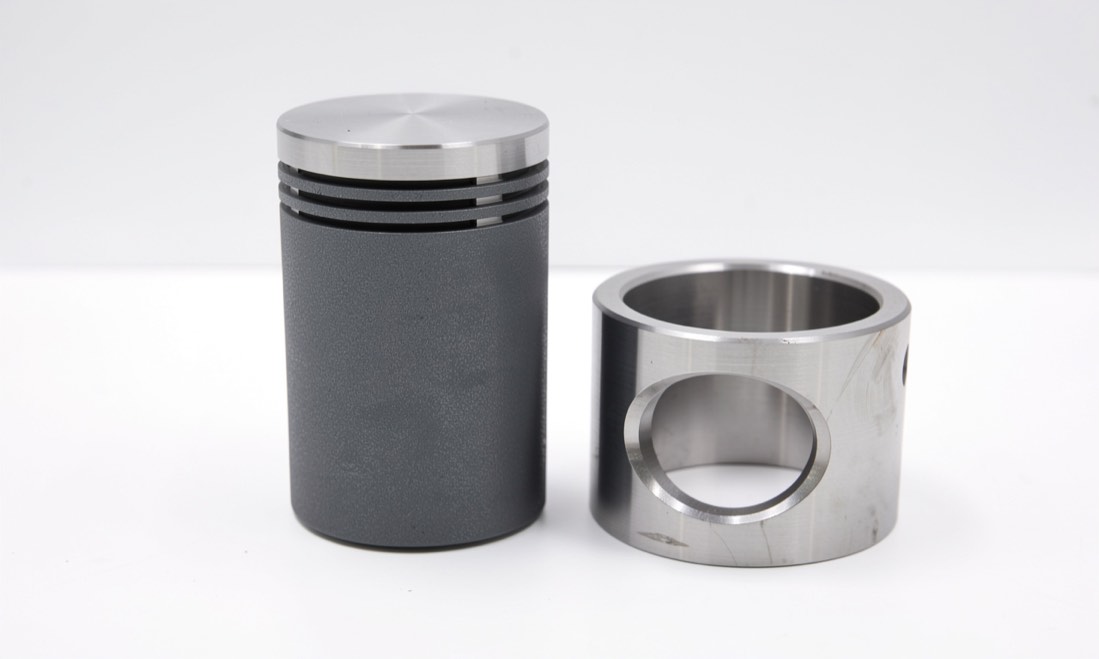
Digital marketing for building and home trades
How small building and home-improvement firms plan a website, check it before launch, and keep control of domain, files and updates.
Read the note
Beyond properties and testing
- SectionThe process
- SectionComposites and companion coatings